


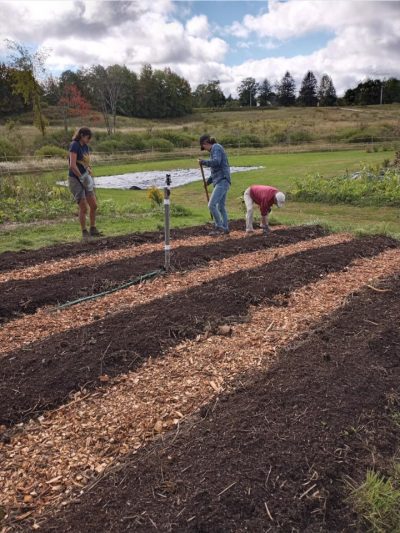
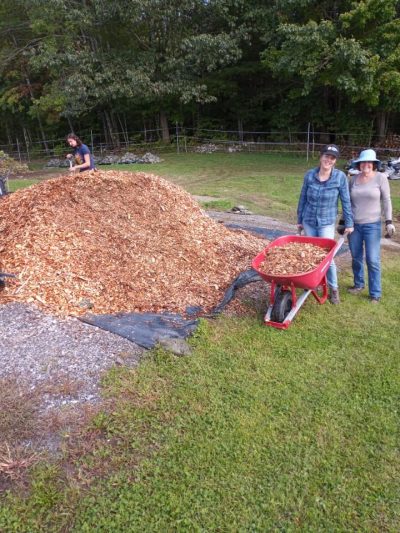
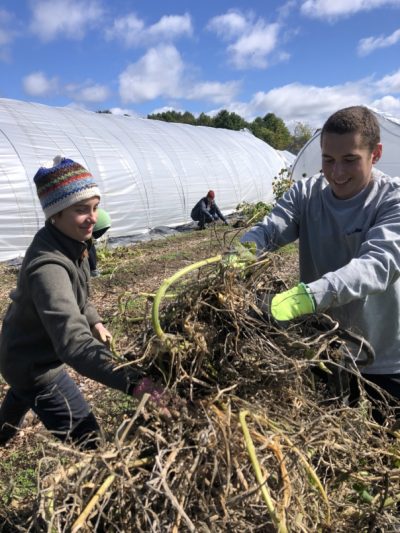
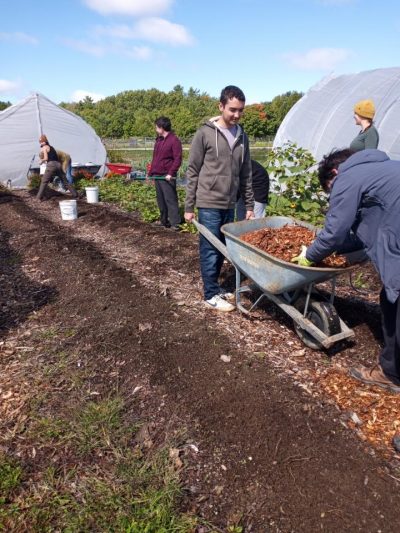
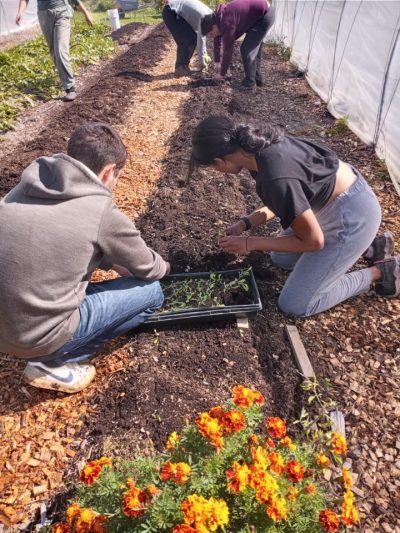
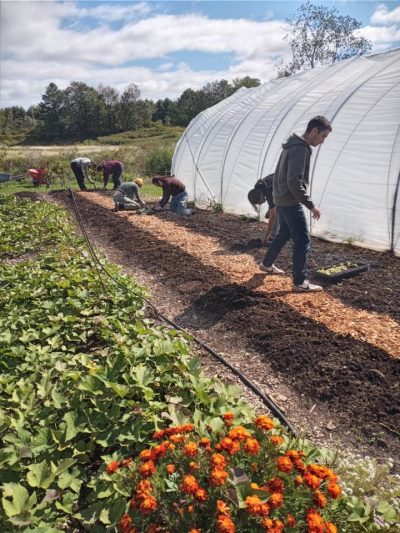
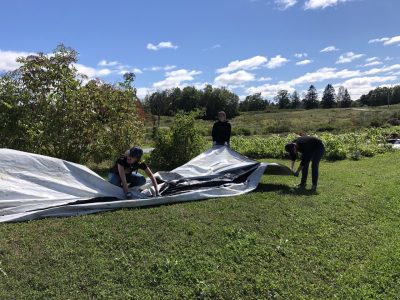
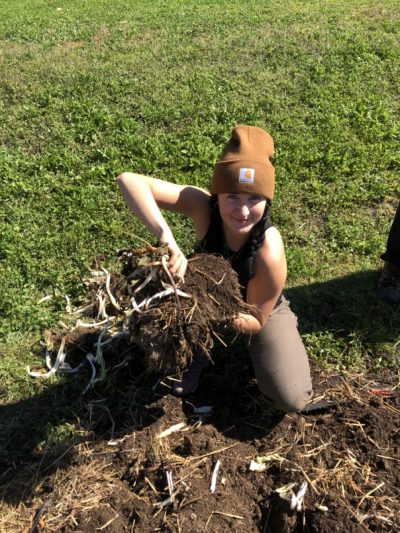
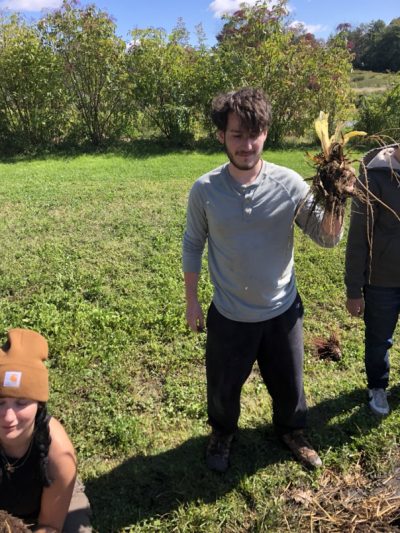
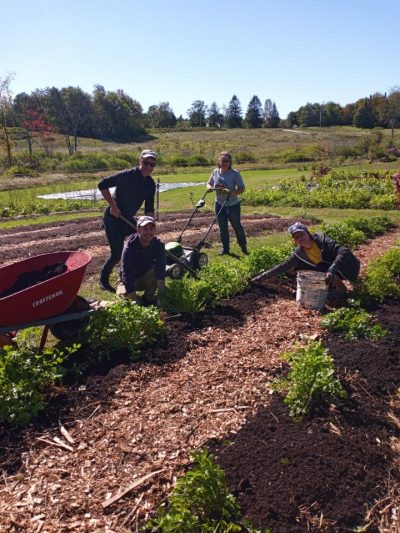
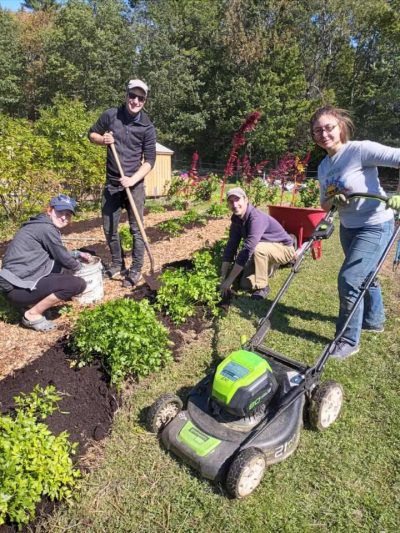
It seems like Fall might be our busiest season. As the days shorten and the temperatures begin to drop, we keep referring to our harvest calendar. When can we harvest these squash? Do we have the time or space for two hundred more lettuce seedlings? Can we flip another plot from harvest to cover crop in a couple of hours? Yes, we can! And our volunteers are doing just that. Here is an example. On Wednesday, Wendy, Dana, Carrie, and BJ finished a winter squash harvest, then weeded, raked, wood chipped, and sowed a cover crop in under two hours. Friday–same story with Monique, Ian, Shannon, Denise, and Tina. It all happened once again with our Saturday volunteers. It’s a beautiful story.
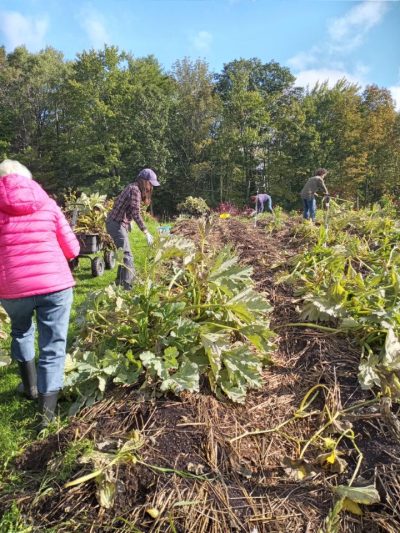
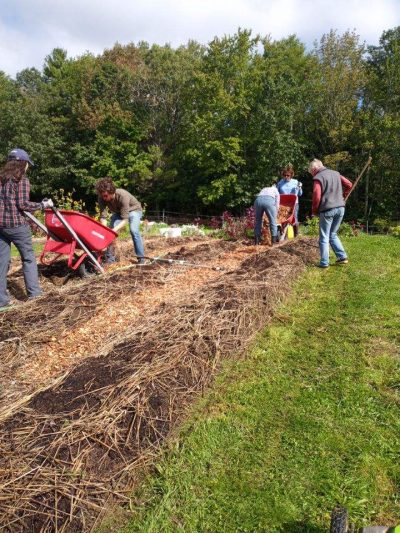
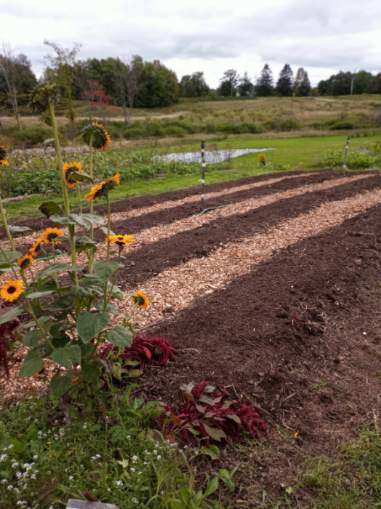
We went on to harvest another plot of squash–the bright orange Kabocha. This plot has the cover crop already growing in it, so flipping this one went much quicker. The lovely Kabocha variety we grew is Sunshine. We were drawn to this vegetable from its description–”unbeatable flavor”. We shall see! It’s in the Rimol greenhouse curing for 10 days to 2 weeks, then off she goes to feed neighbors in need.
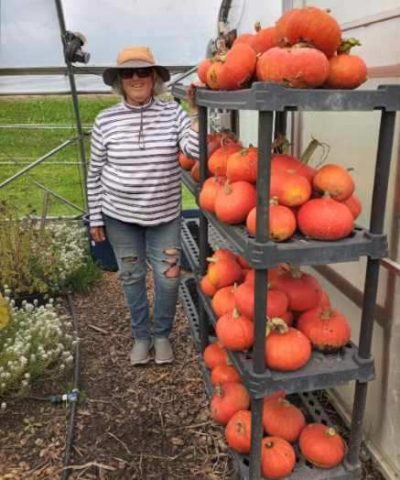
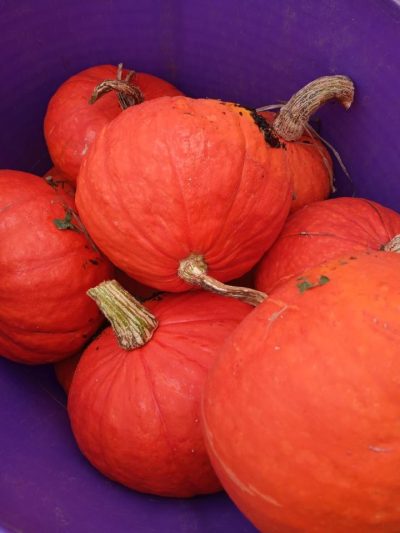
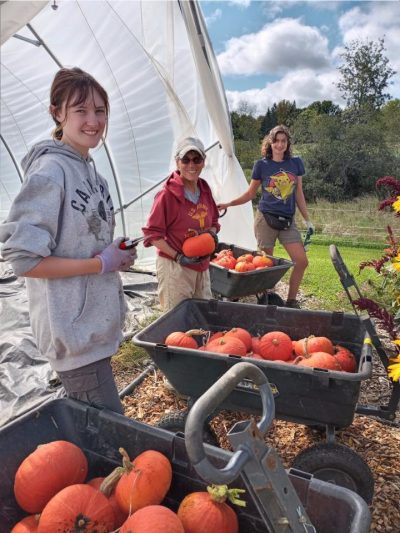
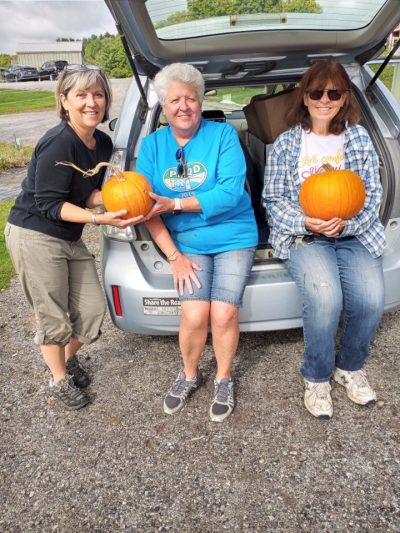
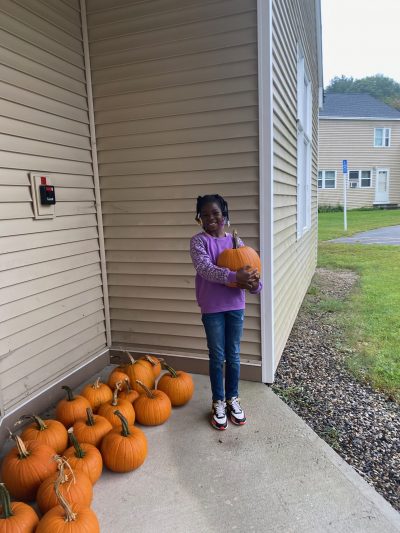
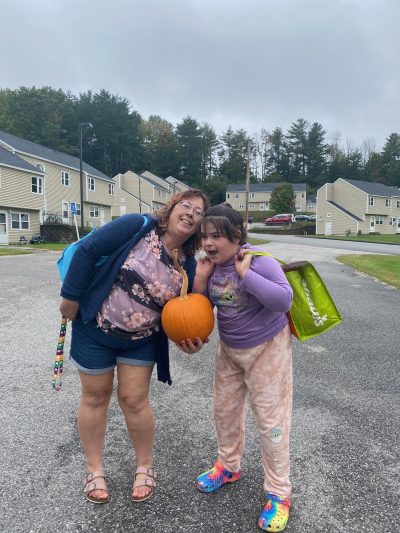
We had a total of 798 pounds of pumpkins this year. After the kids came last Saturday, we sent more pumpkins on request to families at Pleasant View. The rest went to MCHPP for pumpkin soup. We are grateful for our friends at MCHPP (Mid Coast Hunger Prevention Program) who can utilize our “seconds” for sauce or soup, which then gets frozen for later use. Maine has a long winter season, so anything we can do to put food away for later distribution or harvesting we feel is of the utmost importance.
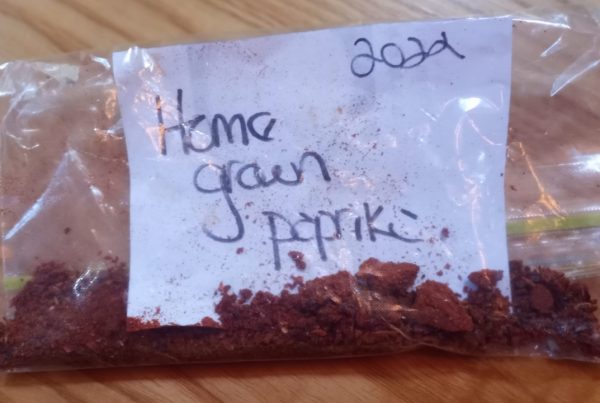
Okay, enough of me lecturing about food insecurity in the Winter months…or is it? In my little garden here at home, the process of freezing a few tomatoes or drying a paprika pepper to grind for my own spice is so satisfying. I come from a long line of food preservers getting ready for the Winter months. I have many friends and family today who still get so much satisfaction from “putting food up”. Nothing like opening up a jar of homemade salsa or tomato sauce when the cold winds are howling outside. Think about those who are food insecure, and what it means to have organic food that is harvested at peak season, processed, and then distributed at a time of need.
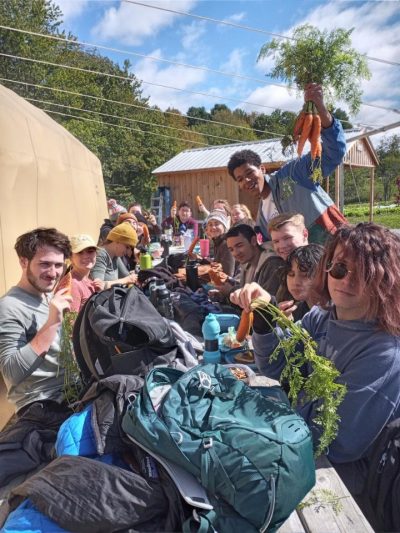
At G2G, we can’t store or process food for the winter months. What we can do is try to extend our seasons by using row covers or tunnels. We accomplished more of this on Friday when 19 students from Seguinland Institute helped with a variety of projects. One of them was our last planting of lettuce. 200 seedlings went into the ground, then they covered them with hoops and row covers to give them extra warmth and protection. Hopefully we can harvest them before they might freeze.
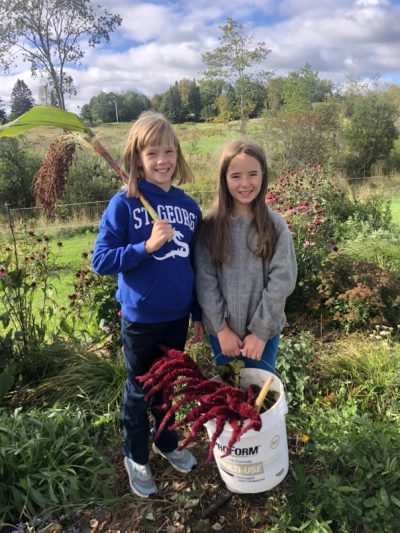
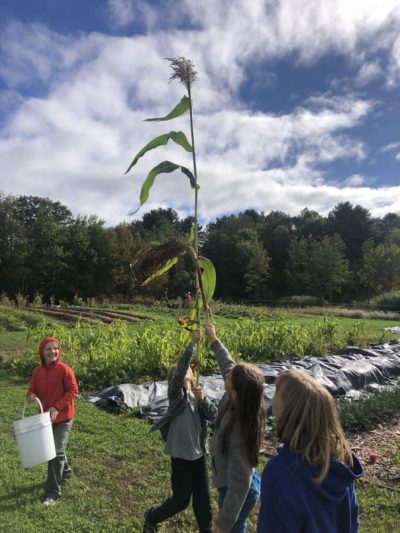
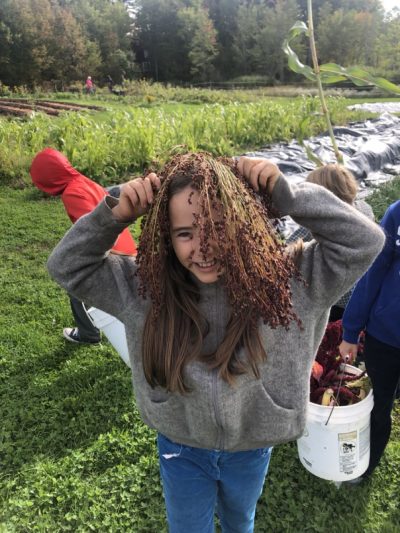
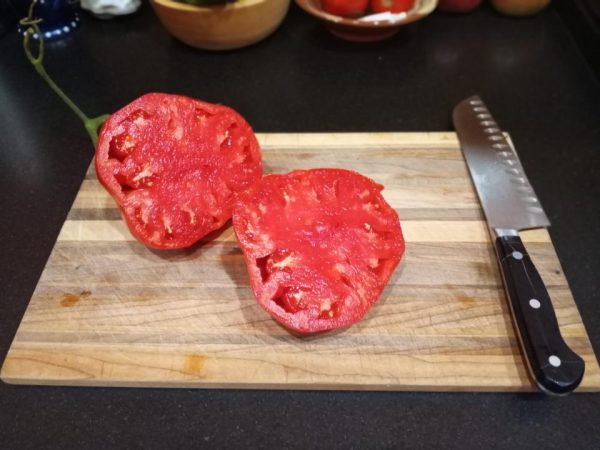
The other Fall storage project is seed saving. As I dissected tomatoes and peppers here at home for seeds, we had the 4th graders running around collecting sunflower, echinacea, amaranth, and broom corn seeds. The kids are learning about seed saving and, of course, loving the freedom of running around the farm.
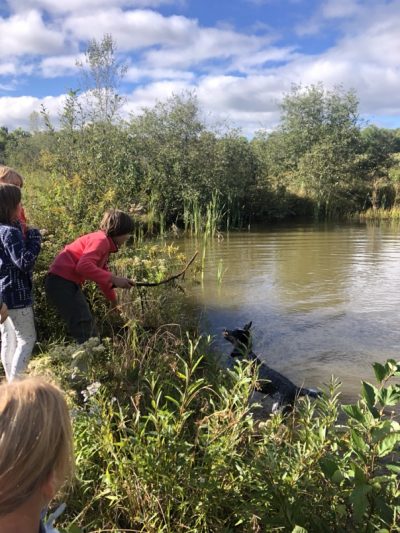
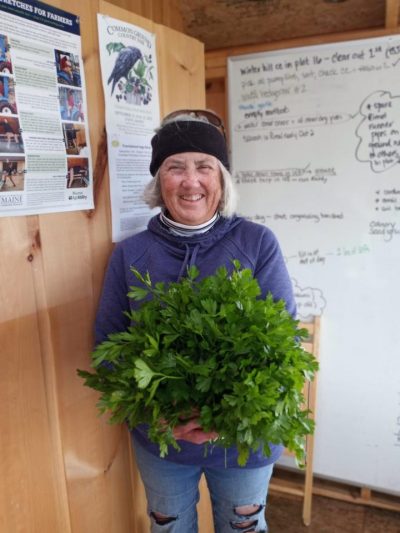
We will try to save some of our own parsley seeds for next season. We grew a lot of parsley this year as a companion plant. As the basil dies back and the dill has gone to seed, the parsley keeps on producing. It seems to thrive in cooler temperatures. Our Saturday volunteers worked around the huge parsley plants as they flipped another plot. Parsley is considered a Superfood with all kinds of health benefits. Parsley does not dry well. I think dried parsley tastes like grass. Have I actually eaten dried grass to be able to make that comparison? I don’t think so–guess I’m just assuming! Anyway, I have read that the Greeks made crowns of parsley for their athletic champions and the Romans used parsley to deodorize their burial rituals. Since we won’t be doing any of that in the near future, I will just chop some up to freeze in ice cube trays and roll up parsley cigars in zip lock bags to store in the freezer and chop up later.
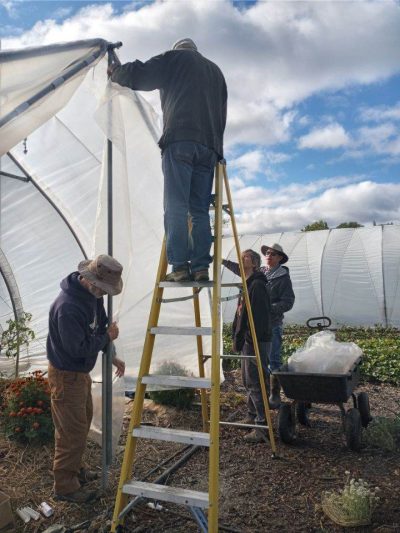
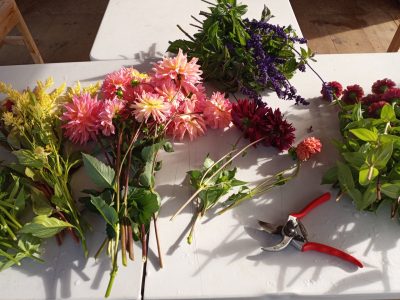
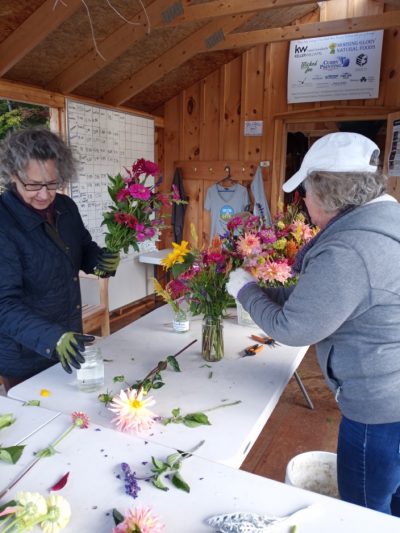
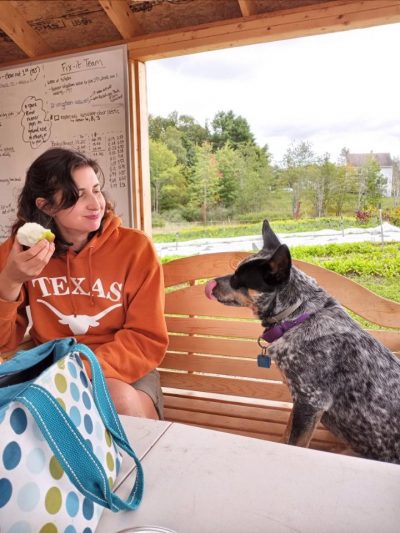
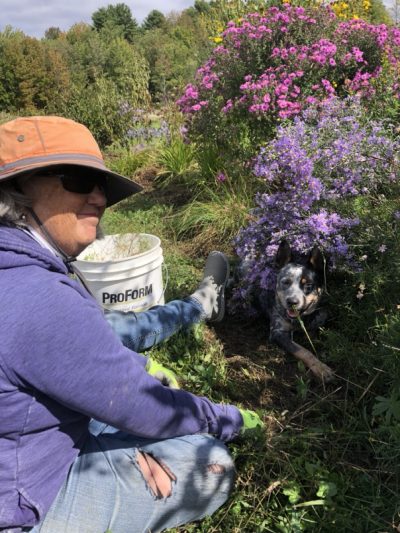
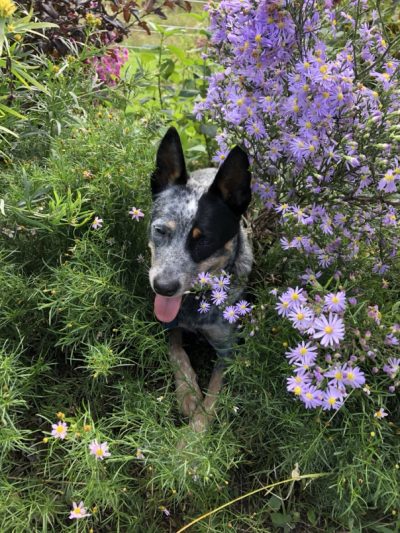
The rest of the week was our usual: Bouquet Beauties creating arrangements with dahlias, zinnias, and salvia; Fixers finishing up securing the tunnels for the high winds; and Zoey helping out where needed. She joined Carrie and me while we were weeding the beneficial hedgerow, and she is always a willing lunch buddy!
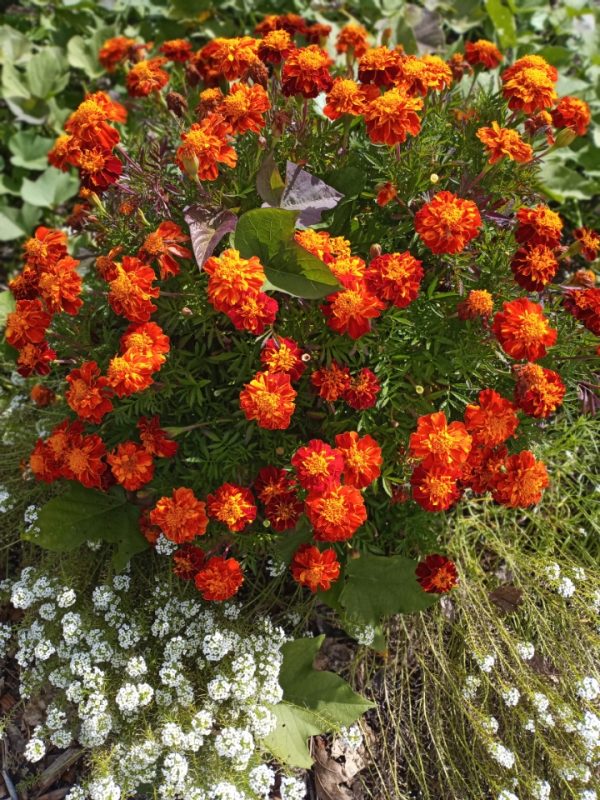
It is officially Fall. The Fall light is when I find marigolds most beautiful.
To all of this week’s volunteers: the joy all of you bring with you to the farm to tackle whatever task we ask of you is amazing! I am grateful.
Sincerely, Theda
P.S. If you have any jars or cardboard (black ink only) to recycle, we would love to have them.