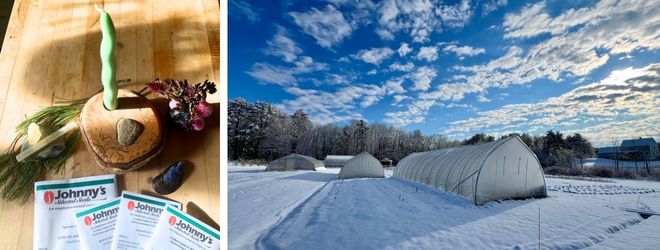
Winter Sowing Workshop: Join us on Saturday, January 17 from 10AM-12PM to learn how to start seeds for your garden or hedgerow on your own timeline without any fancy growing equipment! This propagation method uses clear plastic recycled containers (e.g., milk jugs and salad containers) and potting soil to start seeds outdoors during the winter. This workshop will go over the method, which plants are best to winter sow, which plants are more challenging to winter sow, and what to do once your seeds have germinated in the spring. Everyone will leave with at least one winter-sown jug and the confidence to sow more for their garden. All materials included. Warm cider, coffee, tea, and a simple snack included. Click here to sign up!
Dear Friends of Growing To Give,
As we approach the longest night of the year, we all take time to reflect on the year that is coming to a close. We are endlessly grateful for our sponsors and donors, our knowledgeable staff, our passionate board, our beloved interns, the 713 individual students who came to learn and work at the farm, and our dedicated farm, event and admin volunteers who donated a whopping 3,707 hours of labor to our organization this year. Thanks to all of you, this year we grew a record 18,596 pounds of market quality, organic produce for donation to those in need. As we all know, the need for nutritional support is increasing as federal funding cuts to social programming collide with rising costs of healthcare, housing, and other basic necessities. If you have the means and are looking for ways to support our work, your donation can help us continue to grow food for those in our community who are struggling to make ends meet. I am endlessly in awe of this community and what we can accomplish together!
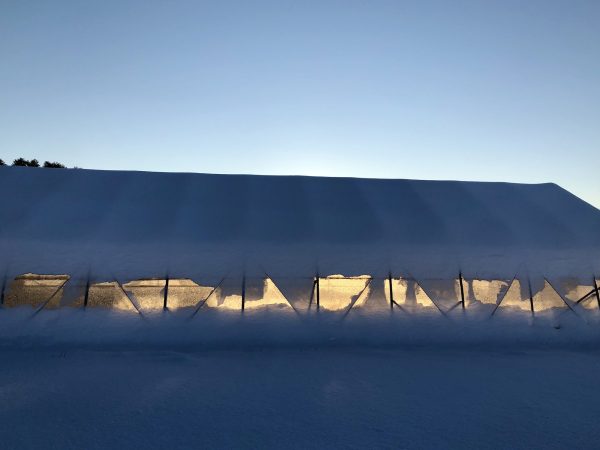
While the farm slumbers under a bright blanket of snow, we are all busy with our winter work. People often ask what a farmer does in the winter (besides taking a little bit of a rest) so I’d like to share what goes on behind the scenes during these colder months.
We always start our crop planning with a cozy staff meeting to assess the year’s wins and challenges so we can make adjustments for the upcoming growing season. This year, a lot of our discussion topics fell into two categories: 1) transition-year learning and 2) pest pressures. We struggled with growing cucurbits – by this I mean all of the crops that fall in the Cucurbitaceae family, which includes winter squashes, zucchinis, cucumbers, and melons. In the end, we lost most of our squash plants to squash vine borers, most of our melons to crows and voles, and all of our cucumbers to bacterial wilt, a disease spread by cucumber beetles. After lots of research and discussion, we’ve decided to continue to grow squash, cucumbers, and melons again next season but with several adaptations to try to combat the issues we’ve faced for several seasons now. For example, we will try growing only parthenocarpic (self-pollinating) cucumbers. Because they don’t need to be pollinated, they can remain fully ensconced in insect netting all season, which should prevent cucumber beetles from accessing them and spreading disease. We’ll also try to only grow varieties of squash that fall into the c. moschata subspecies, which is incredibly resistant to vine borers due to its harder stems. The c. moschata subspecies includes the famous Butternut and other interesting varieties including Tromboncino squash, Black Futsu, and Long Island Cheese pumpkins that we’re excited to trial this year. Unfortunately, we won’t be growing many classic varieties like zucchini, summer squash, acorn squash, or the native Long Pie pumpkin that fall into other, less vine borer resistant subspecies.
These kinds of decisions are some of the first steps in our lengthy crop-planning process. Lots of research goes into deciding what to grow and how to grow it. Another important early step in crop planning is to meet with our community gleaning partners (Androscoggin County Gleaners, Cumberland County Gleaners, The Wabanaki Mobile Food Pantry, and MCHPP) to get updates on which foods are most desired and needed at local pantries and food tables. Once we have all this information, we can begin to fill in our crop successions, calculate the necessary volume of seeds and soil amendments, and determine other farm materials we will need to order.
Hopefully this has been illuminating and useful insight into how we start our winter crop planning process. We are sending you all light and warmth on these darkest nights. We’re so excited to see you again when the light returns.